
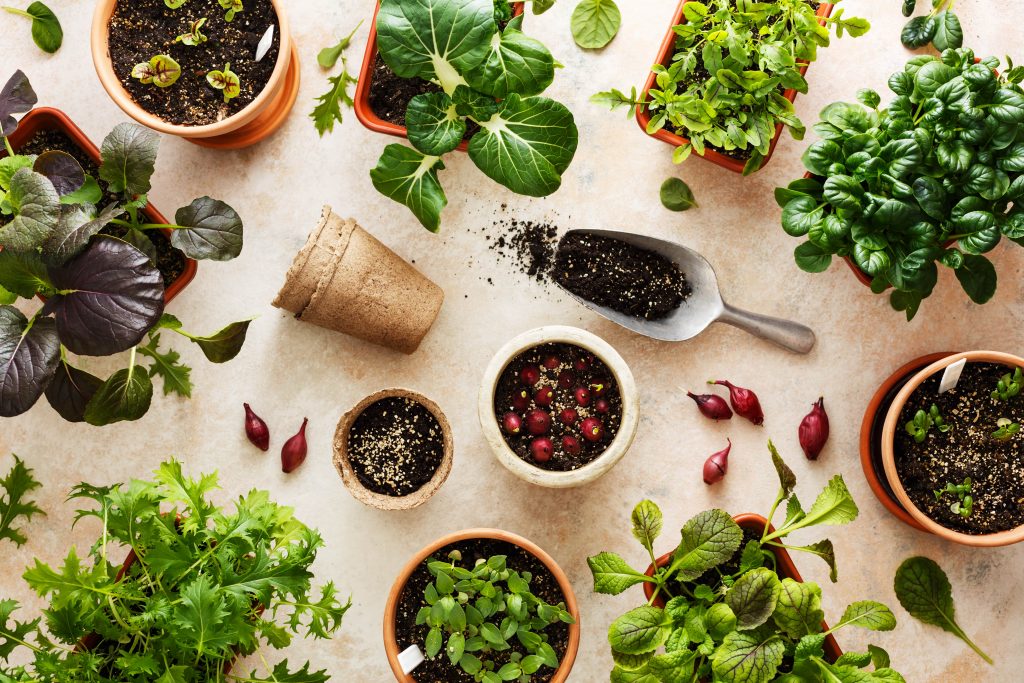
Edible gardening is a practical and rewarding way to grow your own food at home. Instead of planting purely decorative plants, edible gardening focuses on cultivating fruits, vegetables, and herbs that can be harvested and used in daily meals. This approach not only provides fresh and healthy produce but also creates a deeper connection with nature.
With growing interest in healthy living and sustainability, more people are turning to edible gardening as a way to improve their lifestyle. Whether you have a large backyard or a small indoor space, it is possible to start growing your own food. This guide explains what edible gardening is and how you can begin your journey.
What Is Edible Gardening
Edible gardening involves growing plants that produce food. These include vegetables, fruits, herbs, and even edible flowers.
Unlike traditional gardening that focuses mainly on aesthetics, edible gardening combines beauty with functionality. Many edible plants are visually appealing while also providing nutritional value.
This type of gardening can be done in various spaces, including gardens, balconies, and even kitchen counters.
Understanding the basics helps you make the most of your available space and resources.
Benefits of Edible Gardening
One of the main benefits of edible gardening is access to fresh and healthy food. Homegrown produce is often more flavorful and free from unnecessary additives.
It can also help reduce grocery costs over time, especially when growing commonly used ingredients.
Gardening itself is a relaxing activity that can improve mental well-being and reduce stress.
Additionally, growing your own food supports environmentally friendly practices by reducing reliance on transportation and packaging.
Choosing the Right Plants
Selecting the right plants is an important step in edible gardening. Beginners are encouraged to start with easy-to-grow options.
Herbs such as basil, mint, and parsley are great choices because they require minimal space and care.
Vegetables like tomatoes, lettuce, and peppers are also popular and suitable for beginners.
Choosing plants that match your climate and available space increases the chances of success.
Indoor and Outdoor Gardening Options
Edible gardening can be done both indoors and outdoors, depending on your space and preferences.
Outdoor gardens provide more space and natural sunlight, making them ideal for larger plants.
Indoor gardening is perfect for small spaces and allows you to grow herbs and certain vegetables year-round.
Using containers and proper lighting makes indoor gardening both practical and effective.
Soil and Planting Basics
Healthy soil is essential for growing strong and productive plants. Good soil provides nutrients and supports root development.
Adding organic matter such as compost can improve soil quality and promote growth.
Proper spacing between plants ensures that each one has enough room to develop.
Understanding these basics helps create a strong foundation for your edible garden.
Watering and Maintenance
Regular watering is necessary for plant growth, but it is important to avoid overwatering. Different plants have different water needs.
Checking the soil before watering helps maintain the right balance.
Removing weeds and trimming plants encourages healthy growth and better yields.
Consistent care ensures that your garden remains productive and healthy.
Harvesting and Using Your Produce
One of the most rewarding parts of edible gardening is harvesting your own food. Picking fruits, vegetables, and herbs at the right time ensures the best flavor and quality.
Freshly harvested produce can be used in cooking, adding natural taste and nutrition to meals.
Regular harvesting also encourages plants to continue producing.
This process connects gardening with everyday life in a meaningful way.
Starting Small and Growing Gradually
For beginners, it is best to start with a small garden and expand over time. This allows you to learn the basics without feeling overwhelmed.
As you gain experience, you can try growing different types of plants and experimenting with new techniques.
Gradual growth helps build confidence and ensures long-term success.
In Home and Garden, starting small is often the key to creating a sustainable and enjoyable edible garden.
Conclusion
Edible gardening is a simple and effective way to grow your own food while enjoying the benefits of gardening. By understanding the basics, choosing the right plants, and maintaining proper care, anyone can create a productive garden at home. Whether indoors or outdoors, this approach provides fresh produce, supports a healthier lifestyle, and promotes sustainability. With patience and consistency, edible gardening can become a rewarding part of everyday living.