
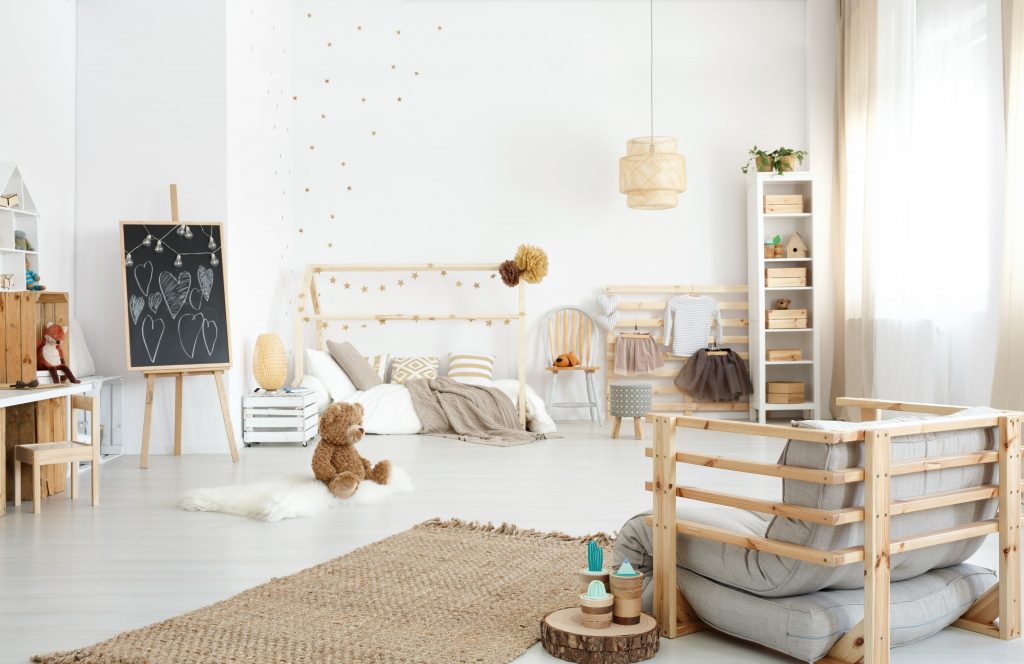
Designing a bedroom for kids is an exciting opportunity to create a space that reflects their personality while supporting comfort, creativity, and growth. A well-designed kids bedroom should be more than just visually appealing. It should also be safe, organized, and adaptable to changing needs as children grow.
Balancing fun and functionality is key when planning a child’s bedroom. From choosing the right colors to selecting furniture and storage solutions, every detail plays a role in creating a space that children will enjoy and feel comfortable in. This guide explores how to create the perfect bedroom design for kids, combining style, practicality, and creativity.
Choosing a Theme That Reflects Personality
A theme can help bring a child’s bedroom to life. It provides direction for colors, decorations, and overall design.
Popular themes may include animals, space, nature, or favorite activities. Choosing a theme based on the child’s interests makes the room feel more personal and enjoyable.
It is also helpful to select a flexible theme that can be updated easily as the child’s preferences change.
A well-chosen theme creates a cohesive and engaging environment.
Selecting the Right Color Scheme
Color plays an important role in setting the mood of a room. Bright and cheerful colors can create an energetic atmosphere, while softer tones promote relaxation.
Combining neutral base colors with colorful accents is a practical approach. This allows for easy updates without changing the entire design.
Using colors thoughtfully helps create a balanced and visually appealing space.
A well-planned color scheme enhances both comfort and style.
Choosing Functional and Safe Furniture
Furniture selection is essential when designing a kids bedroom. It should be both functional and safe for daily use.
Beds, desks, and storage units should be sturdy and appropriately sized for the child. Rounded edges and secure fittings help reduce the risk of accidents.
Multi-functional furniture, such as beds with storage or adjustable desks, can maximize space and provide long-term value.
Prioritizing safety and functionality ensures that the room meets the child’s needs.
Creating Smart Storage Solutions
Keeping a kids bedroom organized can be a challenge, so effective storage solutions are important.
Using shelves, storage boxes, and cabinets helps keep toys, books, and clothes neatly arranged.
Labeling storage areas can make it easier for children to find and return items, encouraging responsibility.
A well-organized space promotes cleanliness and reduces clutter.
Designing a Study and Activity Area
Including a dedicated area for study and activities helps support learning and creativity.
A small desk and comfortable chair can create a space for reading, homework, and creative projects.
Good lighting is essential to ensure that the area is functional and comfortable.
Separating play and study areas helps create structure and balance within the room.
Adding Play and Creative Elements
A kids bedroom should include elements that encourage play and creativity.
This can include a small play corner, art supplies, or interactive features such as chalkboards or activity walls.
These additions provide opportunities for self-expression and imaginative play.
In Home and Garden, creating a space that supports both learning and play is essential for a child’s development.
Ensuring Comfort and Proper Lighting
Comfort is a key factor in any bedroom design. Soft bedding, suitable mattresses, and comfortable seating contribute to a restful environment.
Lighting should include a combination of natural light, overhead lighting, and bedside lamps. This ensures the room is functional at all times.
Using adjustable lighting can help create different moods, from bright and active to calm and relaxing.
A comfortable and well-lit room enhances overall well-being.
Keeping the Design Flexible for Growth
Children grow quickly, and their needs and preferences change over time. Designing a room that can adapt is a smart approach.
Choosing neutral furniture and flexible layouts allows for easy updates as the child gets older.
Decorations and accessories can be changed without major renovations.
A flexible design ensures that the room remains suitable for different stages of growth.
Personalizing the Space
Personal touches make a bedroom feel unique and special. Adding items such as photos, artwork, or favorite objects helps reflect the child’s identity.
Allowing children to participate in the design process can also increase their sense of ownership and comfort.
Simple additions like name signs or custom decorations can make a big difference.
Personalization creates a space that feels truly their own.
Conclusion
Creating the perfect bedroom design for kids involves balancing creativity, safety, and functionality. By choosing the right theme, colors, furniture, and storage solutions, it is possible to design a space that supports both play and learning. Comfort, flexibility, and personalization further enhance the room, making it a place where children can grow and thrive. With thoughtful planning and attention to detail, a kids bedroom can become a fun, organized, and inspiring environment.